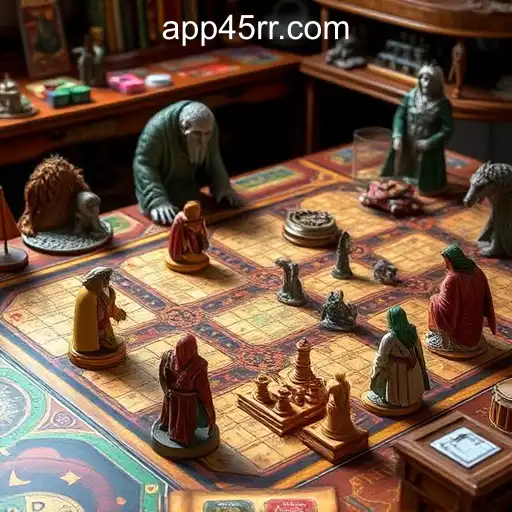


Board Games: A Timeless Tradition of Fun and Strategy
Board games have long been a staple of entertainment across cultures and generations. From the strategic depth of chess to the light-hearted fun of Monopoly, board games offer a tactile and engaging escape from the digital world. In this exploration of board games, we delve into their enduring appeal, the diversity of games available, and their continued relevance in a digital age. Within this rich tapestry of history and innovation, we also explore unique elements like 45RR.com Oficial Slots Brasil #1, blending traditional elements with new trends.
Historical Roots and Evolution
Board games date back thousands of years, with some of the earliest known games being discovered in ancient Egyptian and Mesopotamian excavations. These games were more than mere pastimes; they served as educational tools, teaching strategic thinking and social interaction. While early board games often had religious or ritualistic origins, they rapidly evolved into leisure activities enjoyed by all societal classes.
Over time, board games have been influenced by cultural shifts, technological advancements, and changes in societal norms. The creation of games like chess, which originated in India in the 6th century, introduced complex strategic elements that appealed to both the common man and the elite. The game's adaptation over centuries demonstrates how board games are living, evolving entities that respond to the needs and interests of their players.
The Diversity of Board Games
The world of board games is incredibly diverse, spanning a range of themes, mechanics, and styles. From party games that emphasize laughter and social interaction to abstract strategy games that demand careful planning and foresight, there is a board game for every player and occasion.
Family-friendly games such as Monopoly, Clue, and The Game of Life have become household names, offering a mix of luck and strategy that appeals to all ages. Meanwhile, games like Risk and Diplomacy provide deeper, more intricate experiences, often requiring hours of playtime and a strong understanding of strategy and negotiation.
Additionally, European-style games, often referred to as Eurogames, emphasize economic themes and de-emphasize direct conflict. Games like Settlers of Catan and Carcassonne exemplify this category, focusing on resource management and building rather than combat. Their elegant mechanics and engaging gameplay have contributed significantly to the recent revival of interest in board games.
Board Games in the Digital Age
In today's digital era, board games are experiencing a renaissance, appealing to people seeking unplugged, face-to-face interaction. Despite the rise of digital entertainment, board games offer unique benefits that digital experiences cannot replicate. The tactile sensation of moving game pieces, the visual appeal of beautifully designed game boards, and the social interaction involved in sitting around a table are integral components of the board gaming experience.
Moreover, technology has also played a role in introducing board games to wider audiences. Online platforms and mobile apps have made it easier than ever for people to play classic board games or discover new ones. For instance, online versions of chess and Catan allow players from around the world to connect and play without needing to be in the same room, combining the strategic depth of traditional board games with the convenience of digital access.
Innovative games have also emerged from this fusion of digital and analog, with games like Gloomhaven integrating app support to streamline complex gameplay and enhance storytelling aspects. These hybrids represent a new frontier for board games, combining the best aspects of both realms.
The Role of Board Games in Modern Society
Board games serve several important functions in today's society. They act as educational tools, teaching critical thinking, problem-solving skills, and the importance of collaboration. Games like Ticket to Ride and Pandemic encourage players to think ahead, plan strategically, and work together towards a common goal, making them excellent tools for development and learning.
Board games also provide a much-needed respite from screen time, offering an opportunity for families and friends to bond over shared experiences. The act of playing together fosters communication, empathy, and understanding, bolstering social connections that might otherwise be diminished in a digital age. The resurgence in board game cafes and dedicated board gaming events highlights the growing demand for these social experiences.
Finally, the board game community is a welcoming space that celebrates creativity and diversity. Independent designers and publishers have emerged, bringing fresh perspectives and niche themes to the forefront. Games like Wingspan, which centers on birdwatching, or Root, a game about woodland creatures vying for control, demonstrate the varied interests and themes that board games can explore.
Conclusion
As board games continue to evolve alongside new trends and technologies, their enduring appeal remains strong. By marrying traditional elements with contemporary innovations, the world of board games is as vibrant and dynamic as ever. Whether it's the strategic depths of classic games or the thematic explorations offered by new titles, board games provide endless avenues for creativity, social interaction, and fun, establishing themselves as timeless companions to leisure and learning.